
Traditional Plant Use By Māori
Rongoa is the Māori term for medicines that are produced from native plants in
New Zealand. Also included in this page are all other uses of native plants by Māori.
|
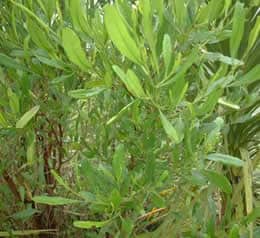
AkeakeUsed for tools and weapons This small tree has hard black wood with creamy-white stripes. The slender trunk was favoured material for weapons and tool handles. Dodonea viscosa |
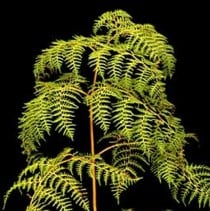
AruheUsed for food The roots of this common fern were dug in winter and roasted. When required for food they were pounded to release the starchy material. Young shoots were eaten fresh. Pteridium esculentum |
||
HangehangeUsed for flavouring food and medicine A small coastal tree with very brittle branches. To add flavour, food was wrapped in the shiny leaves prior to steaming in the hangi. Sap from green leaves was applied to skin diseases on children. Geniostoma rupestre |
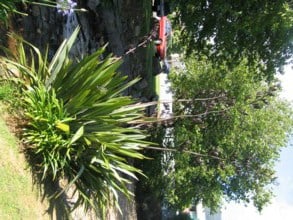
HarakekeUsed for beliefs, clothing, fishing, medicine and boats The dark green leaves of flax contain one of the strongest natural fibres known. The leaves were plaited for baskets, clothes and fishing nets. The tohunga (keeper of knowledge) used the leaves for healing rites, by applying the root juice to skin problems, like boils. A bundle of dried flower stems made rafts. Phormium tenax |
||
HohereUsed for clothing, food and medicine The bark of this small tree was soaked in water for two days in order to release an edible jelly. This jelly was also employed in bathing sore eyes .The lacelike inner bark was dried to make a rough cloth known as aute, used for clothing. Hoheria populnea |
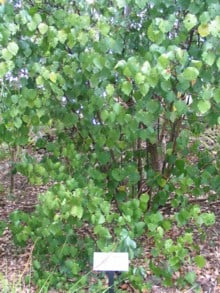
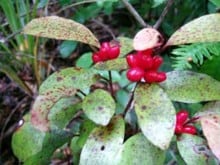
HoropitoUsed for beliefs and medicine The small oval leaves of this shrub have a hot peppery taste. They were chewed to relive toothache. Small branches were used by the tohunga (keeper of knowledge) to lift tapu (something sacred or forbidden) Pseudowintera colorata |
||
HorokakaUsed for medicine The juice from the fleshy leaves of this rocky seacoast plant was applied to boils and other skin ailments. Disphyma australe |
|
KahikateaUsed for food, snares, tatooing and medicine A tall forest tree with small red (edible) fruits. They were also used as lures in bird snares. Green leaves placed on hot stones were one of the types of foliage used in remedial steam baths. Charcoal from the heartwood was used in tattooing moko. Dacrycarpus dacrydioldes |
|
KaikomakoUsed for starting fires A sharp pointed stick was rubbed vigorously along a groove in a dry piece of pata or ma hoe to make fire. Pennantia corymbosa |
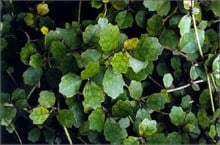
Kanuka and ManukaUsed for building and weapons Small aromatic "tea trees", which frequently form dense shrub. Weapons and tools were fashioned from heavy straight stems. The trunks as well as the brushwood were used as building materials. Kunzia ericoides, Leptospermum scoparium |
||
KarakaUsed for food and medicine This coastal tree was so valued that it was one of the few trees cultivated for its clusters of orange fruits, which were known as kopi. The hard seeds, which in their raw state are extremely poisonous, have an edible fleshy covering. To remove the poison the fruits were steamed for several hours and immersed in running water for several weeks. The kernels were ground into flour and baked into a bread The shiny upper surface of the leaves healed wounds. Corynocarpus laevigatus |
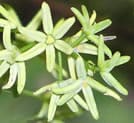
KareaoUsed for cordage and medicine The long supple stems of this tall vine formed ladders to climb cliffs, trees and enemy palisades. Also used for lobster pots and baskets. Together with rata, it was the most valuable tying material for fences, houses and canoes. Burning stems cauterised wounds. Ripogonum scandens |
||
KauriUsed for building canoes This massive tree was second only to the totara for canoe building in the north. After an elaborate ritual, the tree was felled and the trunk hollowed out, using stone tools and fire from burning dry rewarewa wood. Agathis australis |
KawakawaUsed for beliefs, insect repellent and medicine This large shrub with shining green leaves is one of the most important in Māori cultual lore. Leafy shoots were used in ceremonies connected with birth and death as well as for lifting tapu. A branch laid at the entrance of a marae signified disaster in the village. The leaves were chewed to relieve toothache. Burning the leaves deterred insects from food crops. Macropiper excelsum |
||
KiekieUsed for cordage and medicine Flowers and fruit of this climbing plant were eaten. The leaves of this and several others incuding oioi were used for weaving and tying Freycinetia banksii |
KohuhuUsed for ceremony Small leafy branches of this and other trees are waved to accompany a chant welcoming important visitors to the marae. Pittosporum tenuifolium |
||
Korokio TarangaUsed for beliefs and medicine Small branches were used by the tohunga to lift tapu from food being cooked in the hangi. The hard dried wood was also used as a medical instrument for excising wounds. Corokia buddleoides |
KoromikoUsed for beliefs and food Used in many rituals including by the tohunga to ensure a good crop of kumara. Tips of shoots chewed to alleviate hunger. Hebe stricta |
||
KotukutukuUsed for food The largest fuchsia species in the world forms a small tree with flaking bark. When ripe the sweet black berry, konini was eagerly sought for food. Fuchsia excorticata |
KumarahouUsed for tools The opening of the bright yellow flowers would signal time to plant kumara. When placed in water the leaves produce soapy bubbles. Pomaderris kumeraho |
||
MakomakoUsed for food A small tree bearing reddish, almost transparent leaves. The current sized berries were sought for food. Aristotelia serrata |
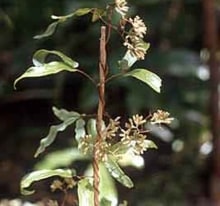
MangemangeUsed for bedding Wiry stems of this climbing fern werre bundled and used as bedding. Lygodium articulatum |
||
MiroUsed for snares The bright colour fruit attracts the kukupa (native pigeon) who gorge on them. These birds were easily caught. The imparted turpentine flavour was considered a delicacy. Prumnopitys ferruginea |
NeineiUsed for musical instruments Used for making flutes. The stems were heated, hollowed and the bark removed. This together with the pahu, a drum made from the hollwed trunk of porokaiwiri or pigeonwood, was among the instruments known to early Māori. Dracophyllum longifolium |
||
NikauUsed for food, roofing and canoe paddles. With a name meaning "no coconut" this palm is widespread in coastal areas. Young shoots are edible. The leaves were valued for roofing. Leaf stalks doubled as makeshift paddles for a canoe. Rhopalostylis sapida |
|
|
|
PateUsed for fire making and medicine Sap from the leaves of this small forest tree was used against ringworm (fungus) affecting the skin. A groove in a dry log was rubbed vigorously with a kaikomako stick to make fire. Schefflera digitata |
PokakaUsed for medicine Leaves and habit of this tall forest tree alter considerably when passing from juvenile to adult stage. A solution made from the bark was used for severe skin disorders. Elaeocarpus hookerianus |
||
PongaUsed for building and medicine The pith from the leaf stalk of this tall fern was used for skin problems. Trunks of various tree ferns often formed walls of a whare or house. Cyathea dealbata |
PoroporoUsed for canoes and tattooing Juice from the leaves, mixed with soot was rubbed into the wounds made by tattooing instruments. Sap was used to size canoes before painting with red ochre. Unripe berries are poisonous. Solanum laciniatum |
||
PowiwiUsed for food Long white roots of these coastal sand plants were roasted and eaten. Calystegia soldanella |
PuririUsed for food and dye An infusion of the leaves from this noble tree contains a powerful germicide. It was valued for bathing sprains. The bark was a source of dye. Vitex lucens |
||
RamaramaUsed for food and medicine A small tree, typically with blistered leaves, a decoration of which was o benefit in treating bruises. Small black berries added flavour when cooking the starchy material obtained from fern root. Lophomyrtus bullata |
RangioraUsed for medicine The large felted leaves of this shrub are poisonous if chewed and swallowed. They were however used as a poultice for wounds. Brachyglottis repanda |
||
RataUsed for cordage Tough, supple stems of this vine were much valued as a tying material, for making eel and crayfish traps as well as pirori and morere (hoops and swings) for children. Metrosideros fulgens |
RaupoUsed for building and food When cut, separated, dried and bundled the leaves of this marsh plant made a valuable building material. Pollen from the flowers was gathered and formed into small cakes before being cooked on a heated stone. Typha orientalis |
||
RengarengaUsed for food Fleshy roots of this lily-like coastal plant were formerly cooked and eaten. Arthropodium cirrhatum |
RewarewaUsed for medicine The inner bark of young branches from this tree was bound over wounds to check bleeding and aid recovery. Knightia excelsa |
||
RimuUsed for medicine The aromatic leaves of this conifer were used in vapour baths. Dacrydium cupressinum |
TanekahaUsed for dye and tools Bark from this coniferous tree was beaten in a trough of water heated with stones, to make red-brown or black dye. Walking sticks were fashioned from sturdy shoots. Phyllocladus trichomanoides |
||
TarataUsed for cosmetics Flowers or gum from this tree mixed with bird fat and other ingredients made scented balm to rub on the skin. Pittosporum eugenioides |
TauhinauUsed for fishing Hard dry twigs from this bushy shrub were formed into fishhooks. Pomaderris phylicaefolia |
||
TawaUsed for food and weapons The willow like stems of this forest tree were made into long spears. The blue-black fruits could also be eaten if left to mature before being consumed. Beilschmiedia tawa |
TawapouUsed for adornment, food and medicine Hard polished seeds were made into fine necklaces worn by the chief. Berries were heated in water for three or more hours, the liquid then applied to the region as a relief for sprains. The pulpy fruit could be eaten. Planchonella novo-zelandica |
![]() |
|
Ti KoukaUsed for clothes, food and weaving Both the cooked roots and base of young shoots were eaten. The leaves were used for making garments, baskets, mats and twine. Cordyline australis |
TitokiUsed for beliefs Fine oil from pounded seeds used to gloss the hair. Women mourners at a tangi (funeral) wore headbands anointed with titoki oil scented with the bitter leaves of heketara. Alectrion excelsus |
||
TotaraUsed for boat building, carving, food and roofing A familiar conifer with red, easily worked, straight grained wood. Much favoured for use in all types of carving. Bark, made good roofing material. Fruit was gathered for food. Podocarpus totara |
Waiu-o-kahukuraUsed for medicines The leaves and stem of this now rare and poisonous plant was heated in water, the liquid applied to skin eruptions such as warts. Euphorbia glauca |
||
WhauUsed for fishing Extremely lightweight wood. It was shaped into marker buoys and floats for fishing lines. Entelea arborescens |
WhauwhauUsed for tools Small logs stripped of their bark made slippery skids to move heavy canoes. Pseudopanax arboreus |