[vc_row][vc_column][vc_column_text]
Māori are the indigenous people of Aotearoa New Zealand who have a unique rich and vibrant way of life that is their culture, and known as Tikanga Māori.
 |
Māori are the indigenous people of Aotearoa, New Zealand and have lived in New Zealand since the arrival of Kupe in 900 A.D. Following Kupe’s navigational instructions a great migration of people from his homeland sailed to New Zealand in 1350 A.D. in waka hourua (voyaging canoes), to become the Tangata Whenua -“People of the land”.
The Māori people define themselves by their iwi (tribe), hapu (sub-tribe), maunga (mountain) and awa (river) which gives each waka and tribe their own history. Over the centuries the tribes have adapted to the new land, causing some tribes to combine and others to divide and move to different regions in the country.
On 6th February 1840, the Treaty of Waitangi, an agreement between the British Crown and the Māori people over the governance of the land and indigenous people of Aotearoa, was signed.
|
 |
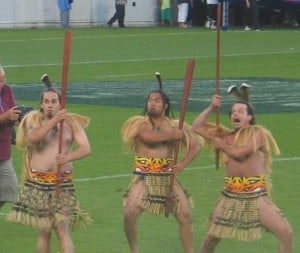 Axa Sevens Maori entertainers in a staunch wero stance. |
The Māori were the first tour operators in Rotorua as it being their custom to share their heritage and culture. Tikanga Māori is a way of life whether you live in a kainga, in the city, suburb, small town or a remote rural area. If you feel you are Māori aspects of Tikanga Māori is always incorporated in the way you live. There is great Mana in giving, rather than receiving. For example, the first of any thing made is given away. If you arrive at any Māori home, don’t be surprised when you are told to sit down and eat. When going fishing, the catch is shared between everyone, whether you have caught a fish or not.
|
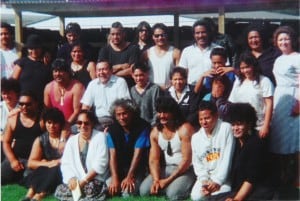 Lupo & Williams Whanau portrait March 1992 Manaia Marae Coromandel. |
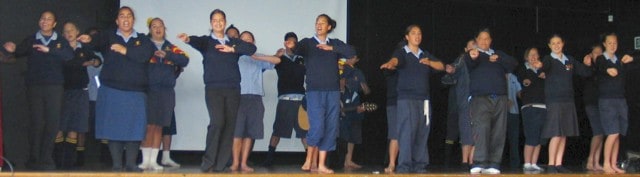 Northland College Kaikohe Kapa Haka Group 2005. This Is The Maori Way
|
||
[/vc_column_text][/vc_column][/vc_row]